Commercial Cleaning Company MWAC
Professional sanitation and food hygiene professionals in Brampton support restaurants, commissaries, baking facilities, warehouses, and mobile food services maintaining standards. They decontaminate high-contact points, food preparation surfaces, equipment, floors, drains, restrooms, and food handling spaces with approved chemicals, at correct dilution, and recording exposure duration. You require scheduled cleaning determined by risk, food throughput, food allergies, and inspections, plus documented proof backing Hazard Analysis Critical Control Points, quality reviews, and regulatory adherence. The following information explains how effective cleaning systems must contain.
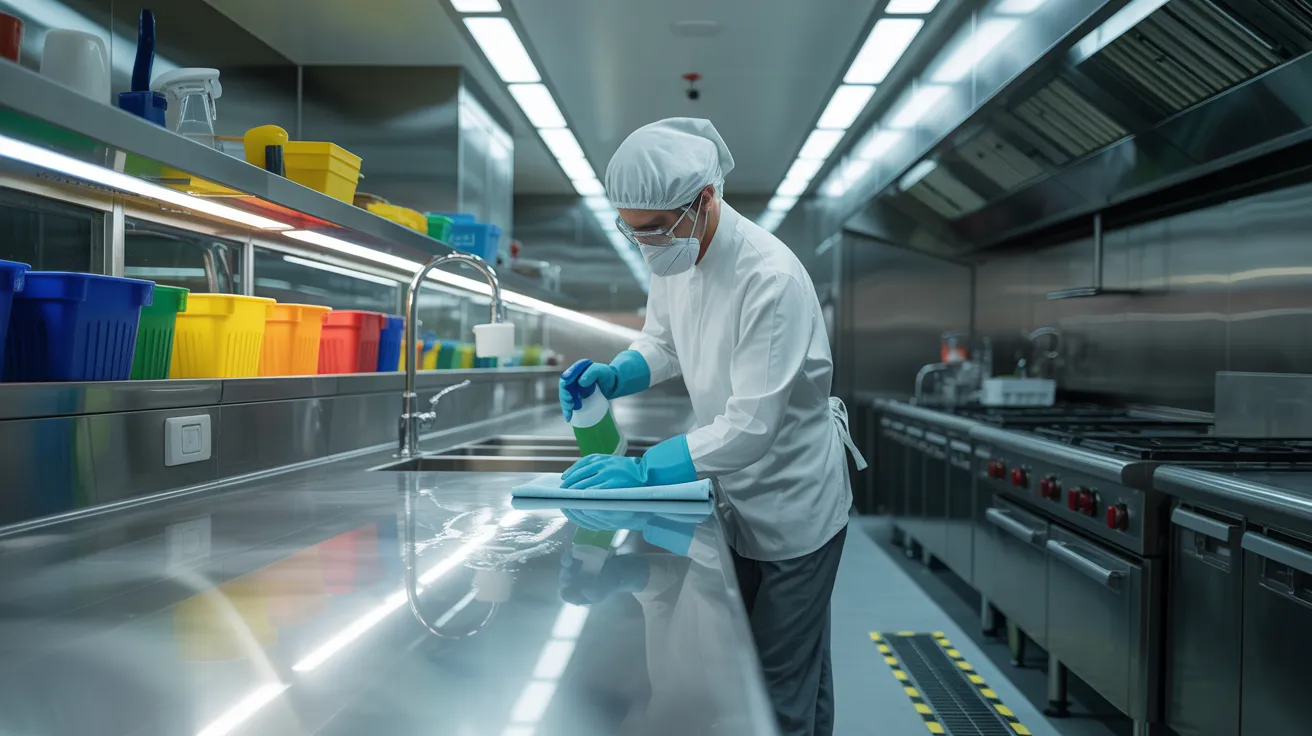
Main Points
- Brampton food safety cleaning experts support restaurants, grocery departments, commissaries, warehouses, bakeries, schools, mobile vendors, and allergen-sensitive operations.
- Frequently contacted areas, food-contact equipment, kitchens, floors, drains, restrooms, and storage areas are sanitized using area-specific procedures to reduce cross-contamination.
- Recording of finalization through checks, audits, and remedial documentation verifies certified specialists have confirmed approved sanitizer dilution, appropriateness, and contact time.
- Effective sanitation timelines take into account risk, production rate, transitions, spills, and regulations when allocating daily, recurring, and periodic operations by location.
- Focus on providers exhibiting HACCP, public-health knowledge, WHMIS education, protection, credentials, color-categorized equipment, and inspection-ready maintenance paperwork.
What Brampton Establishments Require Food Safety Cleaning?
Any Brampton facility that manages, stores, prepares, packages, or serves food needs food sanitation. You must apply it if your establishment falls under public health review, food rules, or HACCP systems. That requirement covers food service venues, employee cafes, supply centers, retail departments, meat shops, fish areas, local stores, and institutional food prep areas.
You also need documented food sanitation in distribution centers, food processing plants, freezer facilities, commercial bakeries, educational nutrition programs, event spaces, and catering hubs. Mobile and seasonal operations count too, including mobile kitchens, festival sellers, and temporary food stands. If your staff handle ingredients, section prepared foods, heat finished items, or keep allergens stored, your facility needs written cleaning standards. In Brampton, sanitation isn't optional; it's part of statutory, business, and public health compliance.
What Do Brampton Cleaning Experts Clean?
Professional cleaning teams specializing in Brampton sanitize touched surfaces, food preparation areas, ground surfaces, and sanitary facilities to satisfy food safety standards and health requirements. Focus on these locations occurs because they pose maximum contamination danger, potential for accidents, and possible regulatory violations.
When you know their cleaning scope, you can verify that your facility's cleaning scope meets compliance and operational standards.
Important High-Touch Surface Sanitizing
organize disinfection frequency according to activity levels, infection risk, and how the space is used.
Maintaining a unidirectional process, swapping cleaning materials, and separating sanitization equipment according to section ensures that sanitizing program remains measurable, justified, and compliance-ready continuously
Kitchens, Floors, and Restrooms
Expect Brampton cleaning experts to target kitchens, floors, and restrooms because each area carries distinct food safety, accident prevention, and public health risks. In industrial kitchens, you need grease removal from cooking stations, appliance surfaces, drain systems, preparation areas, and backsplashes to minimize bacterial growth and pest activity.
Floor care that is recorded should equally be anticipated. Technicians scrub and extract buildup from grout, tile, and vinyl flooring, then apply appropriate drying controls so you can reduce slip incidents and maintain code-compliant conditions. They also supplementary information handle entry points where dampness and dirt enter the building.
Restroom sanitation requires decontaminating touchpoints, fixtures, partitions, dispensers, and waste containers, replacing items and managing smells. They also maintain restaurant cleaning supply rooms where product storage, sink cleanliness, and drain systems impact daily sanitation standards and worker protection.
Food Safety Cleaning Significance for Brampton Businesses
Brampton businesses need to implement proper sanitation practices for satisfying health code requirements and passing inspections. You also reduce cross-contamination by cleaning and sanitizing food-contact surfaces, equipment, and high-touch areas correctly. Most importantly, you safeguard public health by lowering the risk of foodborne illness in your facility.
Sanitary Standards Adherence
Because Brampton food establishments operate under mandatory safety protocols, food safety cleaning directly determines your capacity to satisfy health code requirements, safeguard customers, and eliminate enforcement action. You must maintain clean food preparation areas, documented cleaning schedules, proper chemical use, and verifiable staff procedures that correspond to municipal and provincial inspection expectations.
Thorough sanitation promotes allergen reduction by reducing contaminants on common tools and regularly touched locations.
Contamination Prevention
Meeting regulatory requirements also depends on your ability to prevent cross-contamination during daily food handling and cleaning. You must separate raw ingredients from ready-to-eat foods, clean work areas after each use, and store chemicals away from food-contact items. Clear procedures reduce transfer risks and ensure ongoing adherence to health checks.
You should establish allergen separation to prevent major allergens from touching shared surfaces, containers, or equipment. Employ separate boards, labeled implements, and careful equipment identification so staff don't mix items throughout cooking or serving. Require handwashing after handling uncooked proteins, shellfish, egg items, or allergen products. Change cleaning rags frequently, and check disinfectant potency using test kits. When staff members receive training on these procedures each work period, you build a more hygienic, secure workplace that satisfies Brampton's safety standards daily.
Public Health Protection
When sanitation efforts weaken, you don't only risk a failed inspection—you expand the chance of foodborne illness affecting customers, staff, and the larger Brampton community. You also undermine your responsibility in safeguarding community wellness, especially in high-traffic food premises where pathogens travel quickly through surfaces, equipment, and touchpoints.
You must implement cleaning procedures that eliminate contaminants, effectively sanitize, and verify results. This involves maintaining exposure times, utilizing authorized sanitizers, maintaining records, and coaching staff to meet compliance standards. These initiatives promote disease prevention by suppressing pathogens before affecting food surfaces or hands. In Brampton, robust sanitation protects at-risk groups, curtails outbreak likelihood, and demonstrates accountability. When you maintain standards, you exceed requirements—you meaningfully lower danger and advance safer food handling throughout the city.
How Does Cleaning Support Food Safety Compliance?
Rigorous cleaning routines promote food safety compliance by lowering contamination exposure, controlling pathogen growth, and positioning your facility in accordance with sanitation requirements under HACCP-based programs and public health regulations. You ensure that contact surfaces remain visibly clean and microbiologically controlled, facilitating documented preventive controls and inspection readiness.
Effective cleaning also improves allergen control by extracting residues that can provoke undeclared allergen exposure. by removing residues that can cause undeclared allergen exposure.
How Ought You Schedule Commercial Cleaning Work?
build up contaminants. Increase frequency
facility shutdowns, weather-driven soil buildup, or pest activity periods.
Finding Quality Brampton Cleaning Experts: A Guide
Screen providers initially by their food-safe sanitation requirements—not budget alone. You need to verify that every company meets CFIA, public health, and HACCP standards for your operation. Demand proof of insurance, WHMIS compliance, training records, and management systems. Evaluate technician knowledge of contamination dangers, chemical safety, and documented sanitation practices.
You should also assess business dependability and responsibility. Request references from food facilities in Brampton, then examine turnaround periods, corrective actions, and communication standards. Confirm the company participates in supplier audits and can present audit-ready records when regulators or third parties request evidence. Check whether equipment maintenance is performed, colour-coded tools are used appropriately, and site-specific hazards are recognized. A competent service protects regulatory adherence, product quality, and your brand reputation.
Which elements are contained in a hygiene cleaning program?
Create a documented plan that makes clear every sanitation responsibility, standard, and task prior to production start. You should outline cleaning schedules, authorized chemicals, concentration levels, contact duration, implements, and validation techniques for each zone, surface, and piece of equipment. Incorporate pre-operational inspections, corrective actions, and employee training requirements.
Your plan should also address contamination prevention controls, waste handling procedures, pest management measures, and written schedules for restrooms, drains, floors, and food-contact areas. Describe how you'll keep raw and ready-to-eat processes separate, facilitate ingredient tracking, and maintain accurate allergen labeling through validated cleaning between product changes. You should set accountability, keep signed records, and assess results against regulatory standards, HACCP controls, and customer requirements. When gaps appear, modify procedures immediately and retrain staff.
Commonly Requested Inquiries
Are sanitation providers offered for overnight shifts in Brampton facilities?
If you manage regulated spaces, you'll also need documentation that support audits and maintain assurance.
Are hazard containment solutions available from Brampton cleaning experts?
Yes, you can locate Brampton cleaning professionals providing spill response services. They manage contamination, assess dangers, isolate contamination, and begin swift decontamination to minimize exposure and avoid operational impact. You should verify response rates, credentials, safety protocols, and waste procedures. If your facility must adhere to regulations, pick a provider that tracks incidents, adheres to standards, and supports verification.
Will environmentally safe disinfectants sanitize safely food preparation areas?
Yes, natural disinfectants can be suitable for food preparation areas if you select items marked food-safe and regulatory compliant. You should verify contact duration, dilution rates, and rinse requirements before use. Many botanical formulations lower toxic chemical contact, but you require evidence of effectiveness against specific pathogens. To preserve residue-free areas, you should follow precise manufacturer instructions and confirm the sanitizer complies with food industry regulations.
Do cleaning schedules allow for seasonal production changes?
Without question, cleaning plans are highly adaptable for production fluctuations. Adjust timing, labor allocation, sanitizers, and verification steps to align with seasonal workflows while upholding regulatory requirements. Lower production interruptions by planning sanitation during changeovers, peak volumes, and usage cycles. Further modify SSOPs, staff education, and facility monitoring to reflect temporary risks, new allergens, or higher contamination levels. Ongoing evaluations preserve the program efficient.
Do professional cleaning services train employees on sanitation best practices?
Absolutely, professional cleaning companies frequently provide employee education on hygiene standards. Your staff gets training on proper chemical use, dwell times, cross-contamination prevention, machine takedown, and paperwork. They generally match guidance with HACCP, GMP, and CFIA or regional health authority standards. Many conduct sanitation audits to ensure adherence, pinpoint weaknesses, and reinforce corrective actions. This helps you maintain consistent procedures, clear audits, and lower contamination dangers consistently.
Summary
When you work with Brampton commercial cleaning and food safety specialists, you don't just tidy up—you maintain your facility inspection-ready and your protocols compliant. From kitchens to processing floors, every clean surface and maintained area helps reduce unwelcome guests and prevent costly setbacks. By arranging cleanings at the right intervals and following a clear cleaning plan, you safeguard staff, customers, and your reputation. In a strict regulatory setting, sanitary conditions aren't optional—they're part of doing business right.